

Choosing the Right Cleaning Schedule for Your Commercial Space
A clean building is easy to take for granted until the schedule falls behind. Floors start looking dull. Restrooms run out of supplies. Break rooms collect crumbs. Dust settles on vents and ledges. Customers notice, employees notice, and in some industries, regulators may notice too.
Many companies build a cleaning plan around the budget first. That seems practical, but it often leads to the wrong result. A space that needs daily disinfecting does not become lower risk because the budget only allows weekly service. A warehouse with heavy foot traffic does not stay safer because floor care was pushed to next month.
The better approach is to build a schedule around need, then match the service plan to the real risks, traffic, surfaces, and standards of the space. Budget still matters, but it should shape how the work is done, not whether necessary cleaning happens at all.

Why the right cleaning schedule matters
Cleaning is not one task. It is a set of recurring jobs that happen at different frequencies. Trash removal may be daily. Window cleaning may be monthly. Floor stripping may be seasonal. Restroom disinfecting may happen several times per day in busy facilities.
A good schedule helps prevent three common problems.
It protects the customer and employee experience. People decide quickly whether a place feels cared for. Smudged glass, dirty floors, overflowing trash, and unpleasant restroom conditions all send the wrong message.
It supports health and safety. High-touch surfaces, food areas, shared restrooms, and entryways can collect germs, spills, debris, and allergens. Regular cleaning reduces avoidable risks.
It protects the building. Dirt wears down flooring. Moisture damages surfaces. Dust affects vents, fixtures, and equipment. Routine care can help extend the life of materials that are expensive to replace.
The goal is not to clean everything every day. The goal is to clean the right things at the right time.
Cleaning needs vary by industry
Every commercial space has a different rhythm. A small retail shop does not need the same schedule as a busy medical clinic. A manufacturing site does not need the same plan as a school. The right schedule starts with understanding how the space is used.
Industry | Common cleaning priorities | Typical schedule considerations |
Retail stores | Floors, fitting rooms, glass, counters, restrooms, entrances | Daily cleaning is common in high-traffic stores, with extra attention before opening or after closing |
Medical and dental facilities | Exam rooms, waiting areas, restrooms, high-touch surfaces, disposal areas | Cleaning often needs to follow strict protocols, with frequent disinfecting throughout the day |
Restaurants and food service | Kitchens, dining areas, restrooms, grease-prone surfaces, floors | Daily and shift-based cleaning are usually needed, with deeper cleaning on a set rotation |
Warehouses and industrial sites | Dust, debris, equipment areas, break rooms, restrooms, loading zones | Schedules depend on production volume, dust levels, safety needs, and shift patterns |
Schools and childcare spaces | Classrooms, restrooms, cafeterias, floors, touchpoints, play areas | Daily cleaning is important, with extra attention during cold and flu season |
Fitness centers | Locker rooms, showers, equipment, mats, floors, restrooms | Frequent cleaning is needed because of sweat, shared equipment, and moisture |
Multi-tenant buildings | Lobbies, elevators, hallways, restrooms, trash areas, shared amenities | Daily common-area service is often expected, with periodic floor and glass care |
Churches and event venues | Seating areas, restrooms, kitchens, floors, entryways | Cleaning may be event-based, with deeper service before and after peak use |
Banks and financial branches | Teller areas, customer counters, glass, floors, restrooms | Daily or several-times-weekly cleaning may be enough unless traffic is heavy |
Auto dealerships and service centers | Showroom floors, glass, waiting areas, restrooms, service counters | Showrooms need polished presentation, while service areas need debris and spill control |
These examples are not fixed rules. They show the questions each industry should ask. How many people use the space? What surfaces do they touch? What mess is created? What standard does the business need to meet?
Start with need instead of budget
Budget is real. No business wants to pay for unnecessary service. But a cleaning schedule based only on cost can create hidden expenses.
A low-cost plan may skip tasks that prevent long-term damage. Neglected floors may need restoration sooner. Dirty restrooms can lead to complaints. A poor first impression can affect repeat business. In regulated spaces, missed cleaning may create bigger problems than the money saved.
A need-based cleaning plan asks better questions:
Which areas affect health, safety, or compliance?
Which spaces shape the customer’s first impression?
Which tasks must happen daily for the building to function well?
Which tasks can happen weekly, monthly, or quarterly?
Which seasons or events increase demand?
Which areas are already showing signs of wear or neglect?
This approach does not ignore the budget. It helps spend the budget where it matters most.
For example, a business with a limited cleaning budget may not need full-building floor care every night. But it may need daily restroom cleaning, trash removal, entryway care, and high-touch surface cleaning. Less urgent jobs can rotate through the month.
That kind of plan is more effective than cutting the whole schedule evenly.
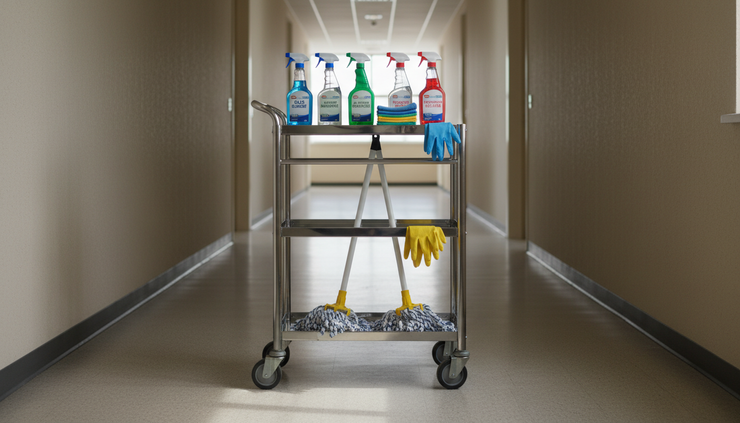
How to determine the right cleaning frequency
A strong plan looks at the building in sections. Some areas need daily attention. Others need periodic care. The schedule should reflect how people move through the space.
Look at foot traffic
Foot traffic is one of the biggest factors. More people means more dirt, trash, fingerprints, spills, and restroom use.
High-traffic areas often include:
Entrances
Lobbies
Restrooms
Elevators
Hallways
Checkout areas
Break rooms
Waiting areas
A building that sees hundreds of visitors per day usually needs daily service. A smaller space with light use may need service a few times per week, plus scheduled deep cleaning.
Traffic also changes by day. A church may have low weekday use but heavy weekend use. An event venue may need cleaning after each booking. A retail store may need extra service during holidays.
Identify high-touch surfaces
High-touch surfaces need special attention because many people make contact with them throughout the day.
Common high-touch points include:
Door handles
Light switches
Handrails
Countertops
Faucet handles
Dispensers
Elevator buttons
Shared equipment
Payment areas
In busy public spaces, these surfaces may need cleaning more than once per day. In lower-traffic settings, daily or several-times-weekly service may be enough.
Review restroom demand
Restrooms often determine whether a cleaning schedule is adequate. If restrooms are dirty, understocked, or unpleasant, the whole facility feels neglected.
A restroom schedule should account for:
Number of employees and visitors
Number of fixtures
Public access
Hours of operation
Odor control needs
Supply restocking
Floor moisture and slip risk
Some facilities need restroom checks during the day and a full cleaning after business hours. Others may only need daily service. The key is not how often the restrooms are scheduled on paper. The key is whether they stay clean during actual use.
Consider surfaces and materials
Different surfaces need different care. Carpet holds dust and debris. Tile grout can discolor. Luxury vinyl can dull from grit. Concrete can collect dust and stains. Glass shows fingerprints quickly.
The more delicate or visible the material, the more intentional the schedule should be.
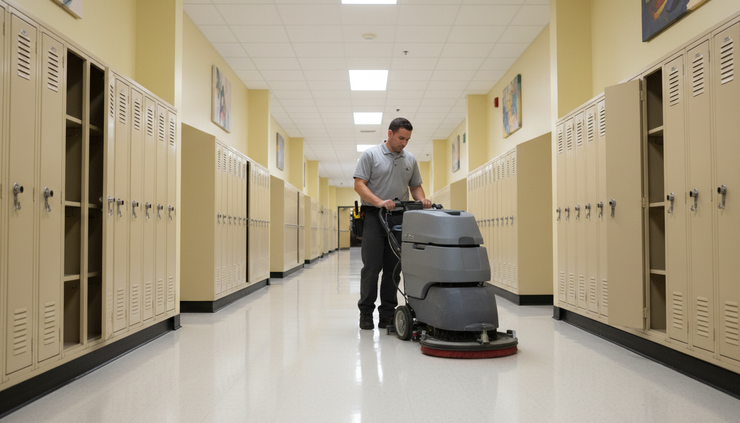
Floor care is a good example. Daily sweeping and mopping may handle surface dirt, but periodic machine scrubbing, buffing, carpet extraction, or floor finish maintenance may still be needed. Without that deeper plan, daily cleaning only solves part of the problem.
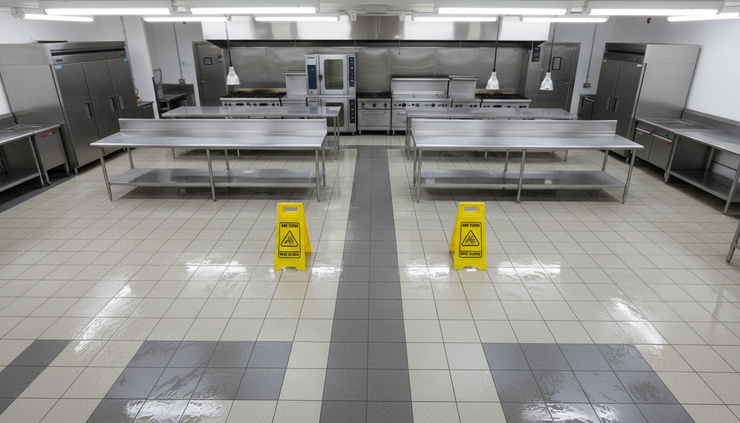
Build a schedule by task type
A complete commercial cleaning plan usually has several layers. Breaking tasks into daily, weekly, monthly, and seasonal groups makes the schedule easier to manage.
Daily cleaning
Daily cleaning covers the tasks that keep the business presentable and safe during routine use.
Common daily tasks include:
Emptying trash and replacing liners
Cleaning and disinfecting restrooms
Restocking restroom supplies
Sweeping and mopping hard floors
Vacuuming high-traffic carpeted areas
Wiping counters and touchpoints
Cleaning entry glass
Tidying break rooms or shared areas
For many businesses, daily service is the core of the janitorial plan.
Several-times-per-week cleaning
Some spaces do not need full daily service, but they still need regular upkeep. This can work for smaller facilities, low-traffic buildings, or offices with limited public access.
Tasks may include vacuuming, restroom service, trash removal, dusting, and surface cleaning. The risk is waiting too long between visits. If trash overflows or restrooms decline before the next scheduled cleaning, the frequency is too low.
Weekly cleaning
Weekly tasks usually go beyond basic upkeep.
Examples include:
Detail dusting
Interior glass cleaning
Low and high dusting in less-used areas
Break room appliance wipe-downs
Spot cleaning walls and doors
More detailed floor care
Weekly cleaning keeps buildup from becoming a larger job.
Monthly and quarterly cleaning
Monthly and quarterly work protects the facility over time.
Examples include:
Floor scrubbing or buffing
Carpet spot treatment or extraction
Window cleaning
Baseboard detailing
Vent and light fixture dusting
Upholstery cleaning
Deep cleaning storage or utility areas
These tasks are easy to postpone because they may not seem urgent. But skipping them is how facilities start to look tired, even when daily cleaning is happening.
Seasonal cleaning
Seasonal needs vary by region and industry. In many parts of the U.S., winter brings salt, mud, and moisture. Spring may bring pollen. Summer may increase odors in trash areas. Fall may mean more debris near entrances.
Seasonal cleaning may include mat service, extra entryway care, carpet extraction, exterior glass cleaning, and floor finish maintenance.
Match the schedule to hours and operations
The best cleaning plan also fits the way the business runs.
A 24-hour facility may need cleaning during active operations. A clinic may need room turnover between patients plus a full after-hours cleaning. A school may need custodial support during the day and detailed cleaning after students leave. A warehouse may need cleaning between shifts.
Timing matters because cleaning should support operations, not interrupt them.
Questions to answer include:
Can cleaning happen during business hours?
Are there secure areas that require special access?
Are there shift changes that create ideal cleaning windows?
Are some areas unavailable at certain times?
Are noise, odors, or wet floors a concern during customer hours?
Does the company need day porter service for ongoing upkeep?
A day porter can be useful in busy spaces where restrooms, trash, spills, and touchpoints need attention throughout the day. Night service can handle deeper cleaning with less disruption.
Set standards before setting the schedule
A schedule is only useful if the standards are clear. “Clean the restroom” can mean different things to different people. A strong cleaning plan defines what done means.
Clear standards may include:
Trash removed and liners replaced
Toilets, sinks, counters, mirrors, and fixtures cleaned
Soap, paper towels, and tissue restocked
Floors swept and mopped
Touchpoints disinfected
Odors addressed
Supplies reported when low
The same idea applies to floors, break rooms, entrances, production areas, and shared spaces. Define the expected result, not just the task name.
A walkthrough is often the best way to set standards. Look at each area and make a list of what needs to happen, how often it should happen, and what level of detail is expected.
Signs your cleaning schedule needs to change
Even a good schedule should be reviewed. Buildings change. Traffic changes. Staffing changes. Seasons change. A plan that worked last year may not fit today.
Watch for these signs:
Restrooms receive frequent complaints
Trash fills up before service happens
Floors look dirty soon after cleaning
Dust collects on visible surfaces
Entryways track in dirt or moisture
Employees start cleaning areas themselves because service is not keeping up
Odors return quickly
Customers comment on cleanliness
Cleaning tasks are often missed or rushed
One complaint may not mean the schedule is wrong. Patterns do.
If the same problem keeps returning, adjust the frequency, task list, timing, or staffing level.
A practical way to choose your schedule
Use this simple process to build a plan that reflects actual need.
Walk the full facility
Include entrances, restrooms, public areas, staff-only areas, storage spaces, floors, glass, and high-touch surfaces.
Rank each area by priority
Give the highest priority to health, safety, customer-facing spaces, and compliance-sensitive areas.
Note the traffic level
Separate high-use spaces from low-use spaces. Do not give them the same frequency unless they truly need it.
Assign daily, weekly, monthly, and seasonal tasks
Put urgent recurring needs in the daily plan. Move detail work into weekly or monthly rotations.
Match cleaning times to operations
Choose day service, night service, or a blend based on business hours and disruption risk.
Review after the first month
Look for missed needs, over-serviced areas, complaints, and changes in traffic.
Adjust before problems grow
Cleaning schedules should be flexible. A facility that gets busier needs more support, not a plan that stays frozen.
This process makes Choosing the Right Cleaning Schedule for Your Commercial Space much easier because it turns a vague decision into a facility-by-facility plan.
Budget still matters, but it should not lead
A need-based plan does not mean spending without limits. It means making smart choices.
If the budget is tight, start with non-negotiables:
Restrooms
Trash removal
High-touch surfaces
Entrances
Safety-related floor care
Food or shared break areas
Compliance-sensitive spaces
Then build a rotation for lower-priority tasks. Detail dusting, glass, machine floor care, and deep cleaning can often follow a set weekly, monthly, or quarterly cycle.
This keeps essential cleaning consistent while still controlling cost.
The mistake is cutting the schedule without understanding the consequences. A better plan asks, “What level of cleaning does this space need to stay safe, presentable, and functional?” Then the budget conversation becomes clearer.
Make cleaning a recurring business system
Commercial cleaning works best when it is recurring, measured, and adjusted. A one-time deep clean can reset a space, but it will not keep the building in good condition by itself.
Recurring Commercial Janitorial Services can help facilities stay ahead of daily mess, seasonal buildup, and long-term wear. The right provider should help assess traffic, recommend frequencies, document tasks, and adjust the plan as needs change.
A clean commercial space is not the result of luck. It comes from matching the schedule to the way the building is actually used. Start with need, protect the highest-risk areas first, and review the plan regularly. That is how a cleaning schedule becomes part of running the business well, not just another line item in the budget.


Comments